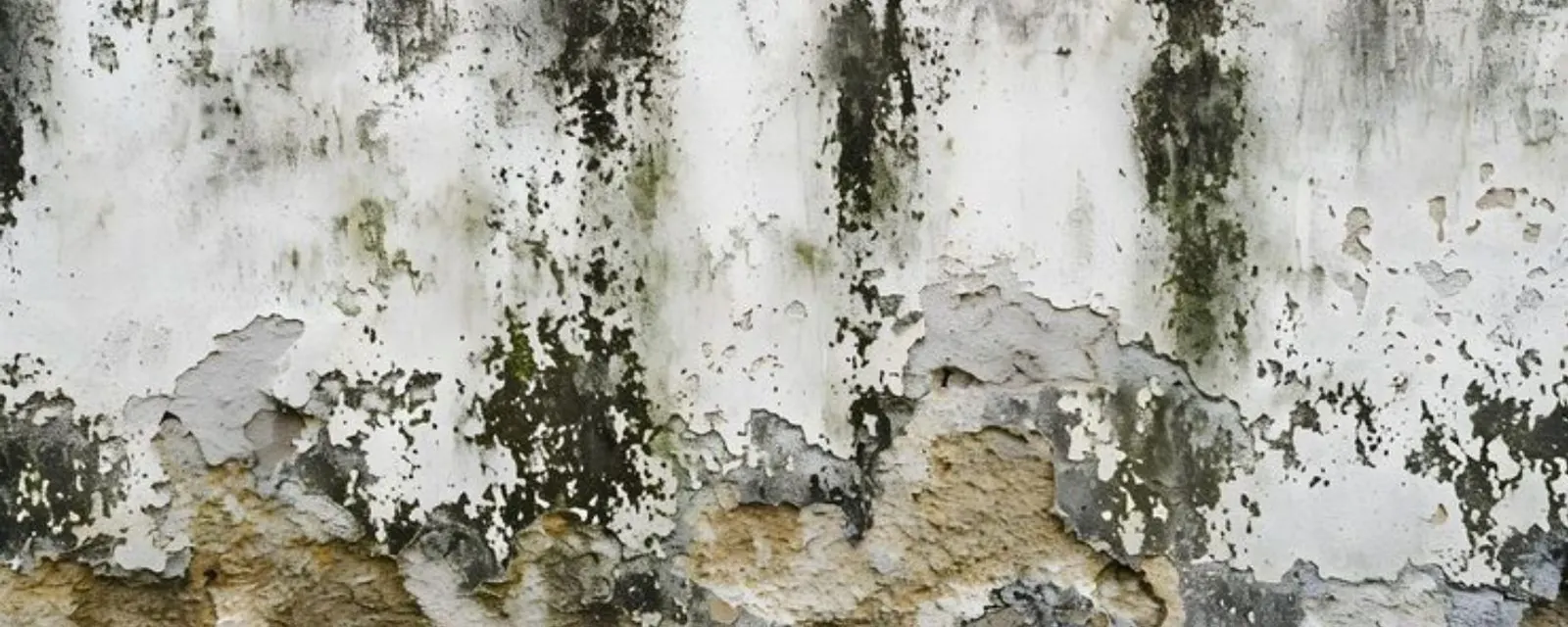
Common Looks of Mold in a House
| Appearance | Where it often appears |
|---|---|
| Black or dark green spots | Bathroom ceilings, window frames, shower corners |
| White, fuzzy or powdery patches | Basement walls, stored boxes, wood |
| Green or blue-green growth | Wet drywall, wallpaper, food |
| Gray or brown patches | Wood and fabric |
| Pink or orange films | Shower stalls and drains, often bacteria rather than mold |
These are descriptions, not diagnoses.
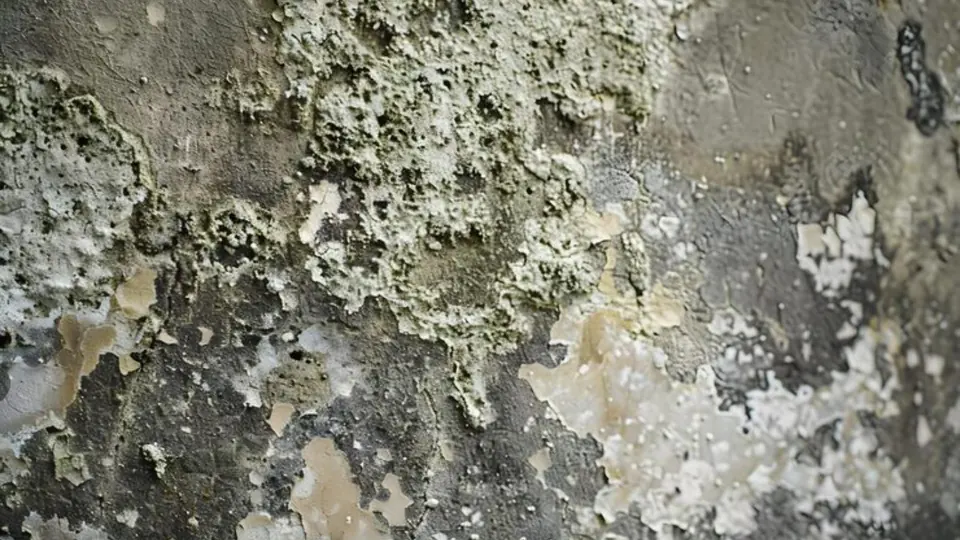
What It Can Be Mistaken For
Dirt and soot can look like mold, and so can stains from old water. Efflorescence, a white mineral crust on concrete and brick, looks like white mold and is not. A quick check is to wipe a spot with a damp cloth. Dirt wipes off cleanly and mold often smears.
Do not sniff closely or disturb a large patch. Photograph it and leave it alone.
Where Mold Hides
- Behind baseboards and under sinks
- Inside wall cavities next to showers and tubs
- Under carpet and pad after a wet event
- On the back of drywall in a basement
- In attic insulation near roof leaks
- Around windows where condensation collects
You may smell it before you see it. A musty smell in a closed room is a prompt to check for moisture.
What To Do If You See It
Photograph
Take a few pictures with a ruler for scale.
Find water
Look for a leak, a damp wall or a humid room.
Limit disturbance
Do not scrub dry or run a fan on it.
Get help
Call if the area is large, on drywall or insulation, or you are unsure.
Our mold remediation page describes what a crew does. If a leak is behind it, see water mitigation.
Lehi Context
Lehi's Main Street Historic District holds brick buildings from the 1890s through the 1920s with limestone foundations, according to the National Register record. Masonry that old can hold moisture and show white crusts that are not mold.
Newer homes have the opposite risk, tight construction that traps humidity. Either way, check moisture before deciding what you are looking at.
Source type: National Register of Historic Places nomination for the Lehi Main Street Historic District.
Color Is Not a Reliable Guide
Mold can look black, green, white, gray, brown or even orange. The same species can change color as it ages, and different species can look alike. Judging by color alone leads to confident guesses that may be wrong.
That is why the useful question is not what color it is, but whether there is a moisture source and whether the material is damaged.
Texture and Pattern Clues
- Fuzzy or velvety patches that sit on a surface
- Powdery spots that smear when touched
- Spots that cluster in a ring or spread outward
- Staining that follows the grain of wood
- Peeling or bubbling paint over a damp area
These clues help you describe what you see when you call for advice. They do not replace a proper inspection.
Photographing What You Find
Take a wide photo to show the room and a close photo to show the surface. Add a coin or ruler for scale. Note the date, the room and any recent leaks or high humidity.
A good photo set helps an inspector, an insurer or a landlord understand the situation before anyone arrives.
Where to Look When You Cannot See It
Hidden growth can sit behind furniture, under carpet edges, inside cabinets and above ceiling tiles. A musty smell with no visible source is a clue to look in those places. A moisture meter and a flashlight make the search easier.
If you find damp material, the cause matters as much as the growth. Water has to come from somewhere.
Read more on our mold remediation page and water damage cleanup page. Homes in American Fork and Saratoga Springs show the same patterns.
Mold, Mildew and Dirt: Telling Them Apart
Mildew is a common word for mold growing flat on a surface, often white or gray. Dirt and soot sit on top of paint and usually wipe off without leaving a stain. Efflorescence is a white crystalline deposit that comes from minerals in masonry and does not grow.
A simple test is to wipe a small spot with a damp cloth. Dirt and mineral deposits often lift or dissolve differently from growth, though this does not replace a proper inspection.
Common Household Lookalikes
- Soap scum and mineral buildup near fixtures
- Smoke or candle soot on walls and ceilings
- Dust collecting around vents and registers
- Old water stains with no growth
- Dark grout lines that need a deep clean
If a spot returns after cleaning, or if the area is damp, treat it as possible mold and look for the water source.
Why Documentation Beats Guessing
Photos with dates build a record. If a spot grows over days or returns after cleaning, the pattern tells you more than any single look. Share the record with a professional, an insurer or a landlord.
A written record also helps if you ever sell or rent the property, because it shows when you noticed and what you did.
A Simple Home Inspection Routine
Once a season, check under sinks, around windows, behind furniture on exterior walls and in the corners of ceilings. Bring a flashlight and look at angles, since mold hides in shadows. Note anything damp or stained and take a photo.
Small, regular checks catch problems before they become expensive.
Smell matters too. A musty odor with no visible source often means growth in a hidden place, such as behind a wall or under flooring.
Follow the smell to the strongest spot and look for dampness there.
Cost Factors and Insurance
The price depends on the area, containment, materials, drying days and rebuild scope. We explain scope and price before work starts.
Insurance may respond to mold after a sudden covered loss and often does not respond to long-term moisture. Ask your insurer.
Not sure what you are seeing?
Call and describe it. We explain how an inspection works.
Call (385) 988-9410We serve Saratoga Springs and American Fork too.
Common Questions
No. Soot, dirt and stains can look similar. A moisture reading and an inspection help.
Often musty or earthy, like damp soil.
Yes. White growth is common, and efflorescence is a look-alike that is not mold.
Testing can document conditions, but fixing the moisture matters more. Ask a professional.