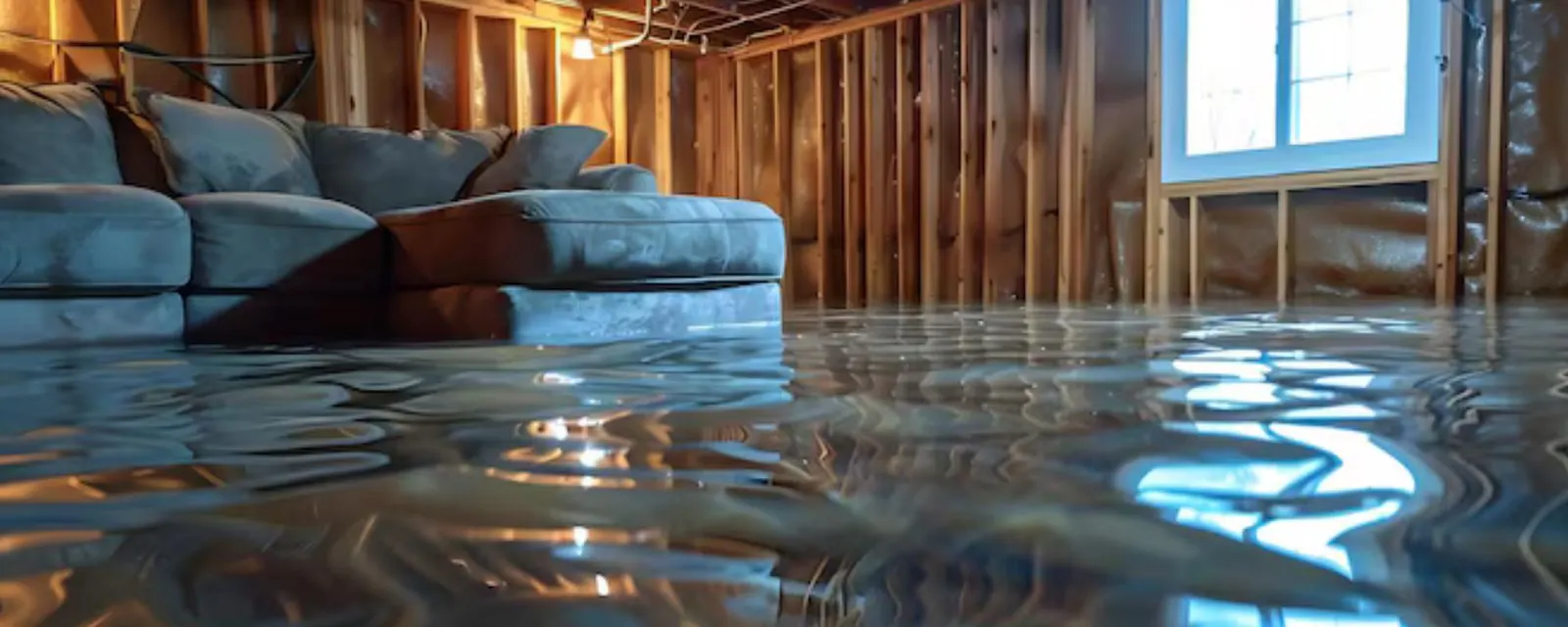
When Standing Water Is an Emergency
Water that is still rising, water near the electrical panel and any water that smells like sewage are emergencies. Call at any hour, including nights and weekends, and ask for a crew. Same-day response is available when crews are free, and we do not promise a fixed arrival time.
Until help arrives, stop the source if you can, lift valuables, and stay out of the water. If it touches outlets, the furnace or the panel, do not enter. Call the utility or 911 for an electrical or gas risk before you call us.
Where Flood Water Comes From
Flood losses in northern Utah County come from a short list of causes. Cloudburst thunderstorms, spring snowmelt, a sump pump that fails during either, a broken pipe, a sewer main backing up and a window well that fills all send water into basements. The cause decides the water category, and the category decides the work.
Lehi City has a flood damage prevention chapter in its development code that applies to FEMA special flood hazard areas. A basement can flood from a broken pipe or a failed pump even when the home is nowhere near a mapped zone, and a standard homeowners policy treats those losses differently.
| Source | Category | First priority |
|---|---|---|
| Burst supply line or tub overflow | Category 1 | Shut the valve, extract, start drying |
| Sump pump failure with groundwater | Category 2 or 3 | Extract, remove porous materials, sanitize |
| Storm runoff through window wells or doors | Category 3 | Extract, remove carpet and pad, disinfect |
| Sewer backup from a floor drain | Category 3 | Stay out, contain, remove, disinfect |
Category definitions follow the ANSI/IICRC S500 standard for water damage restoration.
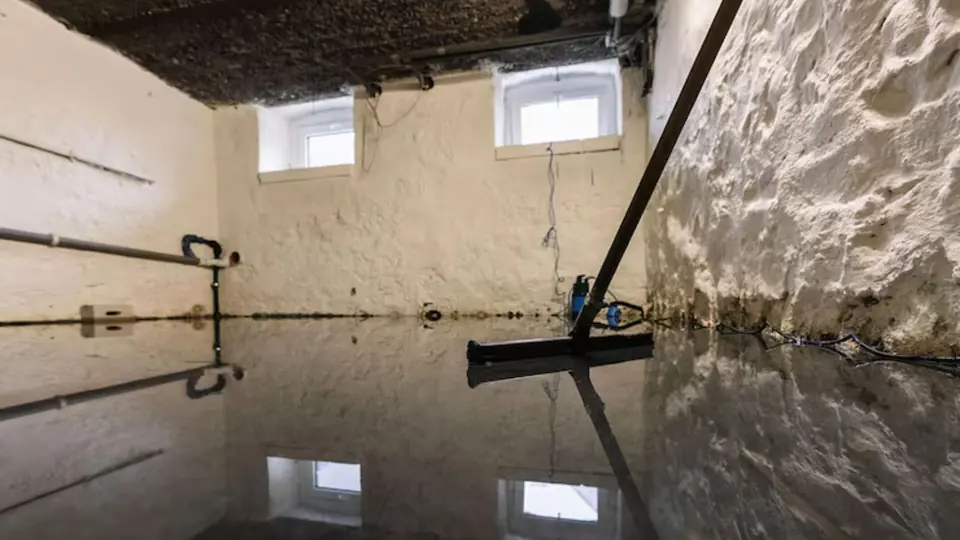
Basement Flooding Cleanup
A basement flood moves quickly because everything finished down there is porous. Carpet, pad, drywall to the flood line, insulation and the bottom of wall studs all take on water. Extraction comes first, using truck-mounted or portable units to pull standing water and wet carpet off the slab.
Then the crew cuts drywall a few inches above the visible water line, because wicking carries moisture higher than it looks. Air movers and low-grain dehumidifiers dry the slab and framing, and daily moisture readings decide when equipment comes out. Finished basements in Lehi are common, so expect the dry-down to take days, not hours.
Restoration is not waterproofing. If water enters through a foundation crack or a window well every spring, the finishes can be dried and rebuilt, but the entry point needs a drainage or waterproofing contractor. We say so plainly so you do not pay for drying twice.
Sewage Backup Cleanup: What to Do First
Raw sewage is Category 3 water, and it is a health and safety job. Do not wade in it, do not run the washing machine or flush toilets, and keep children and pets away. Open windows only if outdoor air is safe.
The crew contains the area, removes porous materials that cannot be cleaned, disinfects hard surfaces and dries the structure. Call your sewer provider if the problem may be in the main line, because the owner and the provider split responsibility for the lines.
If Water Is Still Spreading
Do these in order, and skip any step that puts you near a live electrical source.
Stop what you can
Close the main water valve. If a sump pump has failed, do not stand in water to reach it.
Protect the panel
If water is near the electrical panel or outlets, stay out and call the utility or 911 first.
Lift valuables
Move documents, electronics and keepsakes above the water line, stairs and shelves included.
Take photos
Document the water line, the damage and any standing water before cleanup begins.
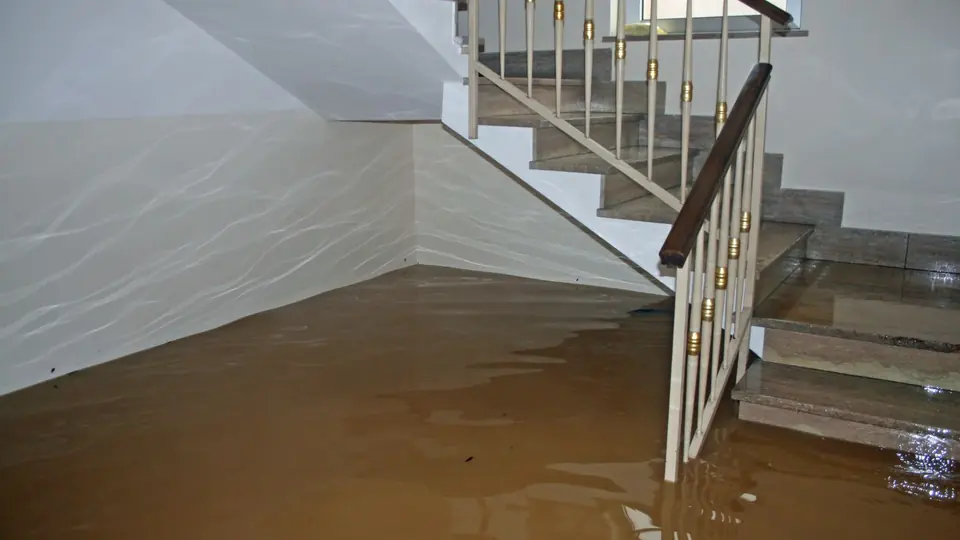
Flood Insurance Is Different From Homeowners Insurance
A standard homeowners policy does not cover flood, according to the Utah Insurance Department's flood FAQ, and flood policies usually carry a 30-day waiting period. A burst pipe inside the house is a different loss from water entering through a door or window well.
Read your policy or ask your insurer which loss you have. We document the damage with photos and moisture readings either way, so the file is complete when you call your insurer. We never promise a claim will be approved.
Check your own flood risk
The FEMA Flood Map Service Center shows the flood zone for a specific address, and Lehi's floodplain administrator at the city can answer questions about permits in a mapped zone. Ask your city building department before you rebuild below grade.
Call (385) 988-9410Cost Factors for Flood Work
- Water category, since Category 3 adds containment and disinfection
- Square footage of wet flooring, walls and ceiling
- Materials involved, from tile and concrete to carpet and drywall
- Days of drying until readings reach dry standards
- Rebuild scope once the structure is dry
We explain scope and price before work starts. For rebuild work after the drying, see water damage repair.
Lehi Flood Rules in Brief
Chapter 12-D of Lehi's development code, Flood Damage Prevention, applies to FEMA special flood hazard areas inside the city and requires a floodplain development permit for work in them. In the A and AE zones, it requires the lowest floor of a home, including a basement, to be at least one foot above the base flood elevation.
That rule affects a rebuild if your home sits in a mapped zone. Ask the city before you replace flooring or finish a basement, and check the FEMA map for your address.
Source type: Lehi City development code, Chapter 12-D.
Common Questions
Yes. The line is open 24/7, including holidays. Call, describe the water and the rooms involved, and you will be told what to shut off and what to leave alone while a crew is arranged. Crews respond the same day when they are free, though we promise no arrival time.
Yes. Sewage is Category 3 water, so porous materials such as carpet and pad usually come out and surfaces are disinfected. It is a contamination job, and you should stay out of the area until a crew has contained it.
As soon as the source is stopped. Wet drywall and carpet start to fail within a day or two, and mold becomes a risk after that. Early extraction saves more materials and shortens drying.
It depends on the cause. A burst pipe is often covered, while flood from outside water is usually excluded and needs a flood policy. Check your policy or ask your insurer.
Yes. See Saratoga Springs and Eagle Mountain for ZIP codes and the local water issues in each.