The First 48 Hours Matter Most
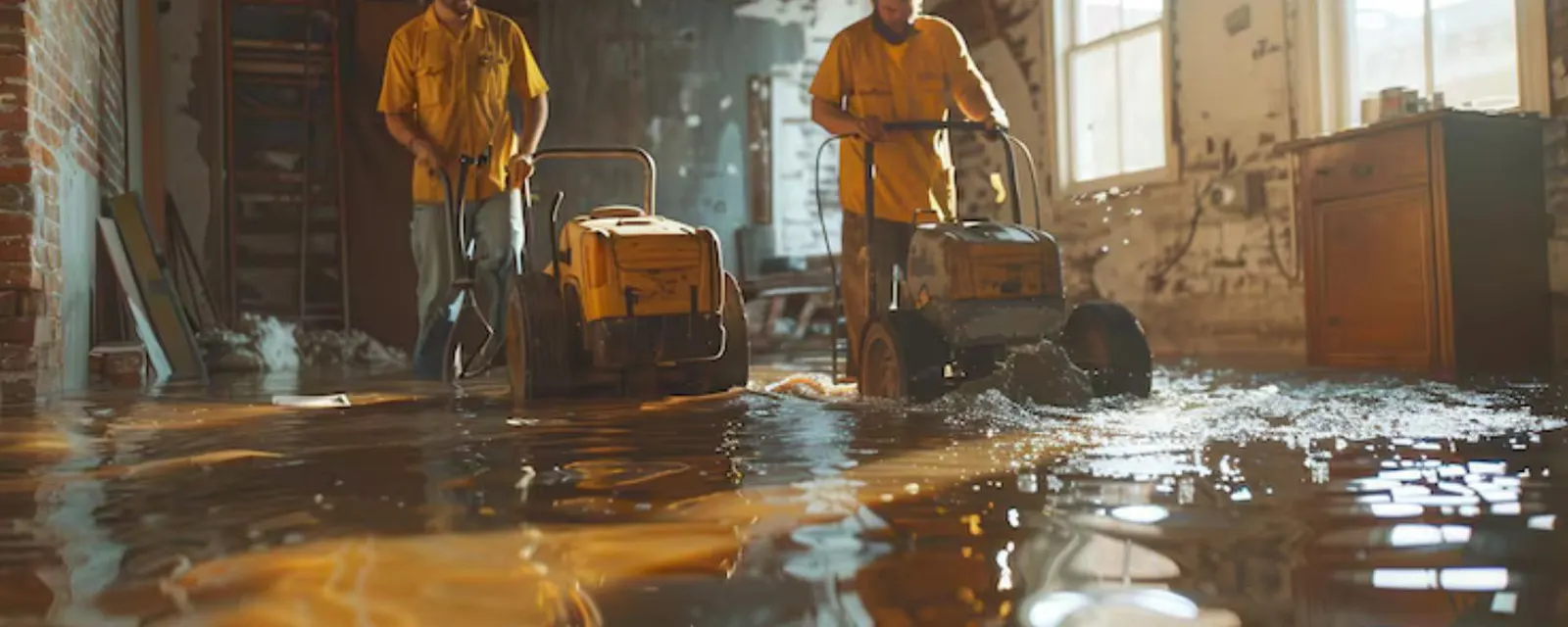
Water damage cleanup is what happens between stopping the water and starting repairs. Pools come off the floor, soaked rugs and boxes come out, and the crew separates salvageable items from those that cannot be cleaned. Call as early as you can, at any hour, because the clock favors a fast start.
Same-day response is available when crews are free. Until someone arrives, keep walking in the area to a minimum, lift furniture off wet carpet, and open cabinet doors so air can reach the wall behind them.
What Cleanup Includes
Water and debris removal
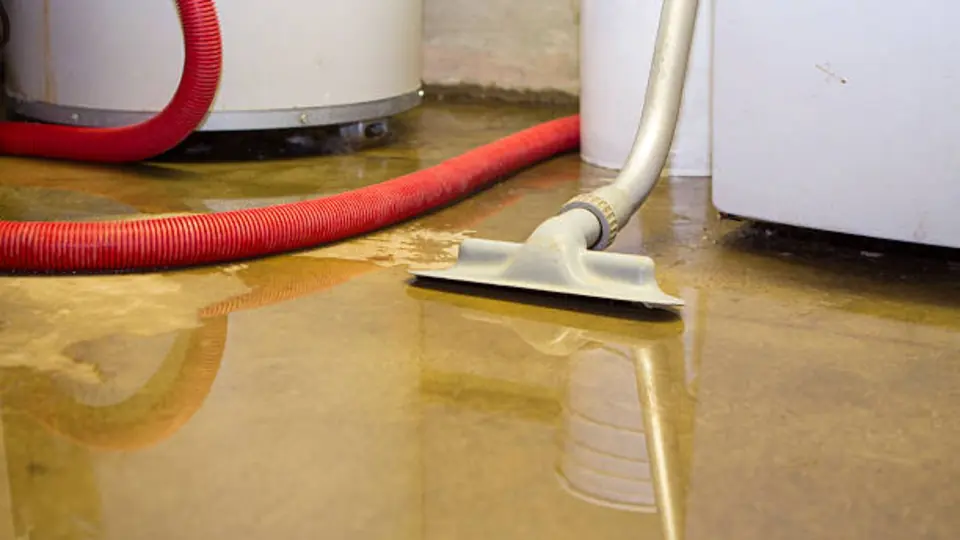
Pumps, wet vacuums and extraction units remove standing water. Damaged boxes, rugs, pad and trim come out.
Sorting contents
Items are sorted into clean, restorable and discard piles. Photos are taken for your insurance file.
Sanitizing
Cleaners and, for Category 2 or 3 water, disinfectants are applied to surfaces that stay.
Deodorizing
Odor control starts after wet materials are removed, because masking smells over wet drywall does not last.
Cleanup does not include rebuilding. When the structure is clean and dry, the next phase is water damage repair. If the water is still coming in, the first call should be for emergency water removal.
A Washer Valve, a Toilet Line and a Dishwasher: Common Cleanup Cases
Appliance failures are a common reason for cleanup calls. A washing machine valve that breaks undetected can run for an hour and soak a laundry room, hallway carpet and the room below. A toilet supply line can spill into a bathroom and drop through the ceiling underneath.
Dishwashers and refrigerator ice-maker lines leak slowly, so the damage is under the floor before anyone notices. In all three, check beyond the visible wet spot. Water travels along floor joists and pools where you cannot see it.
Contents: What Gets Cleaned and What Gets Tossed
Hard items such as glass, metal and sealed plastic usually clean up well after clean water. Porous items such as upholstered furniture, mattresses and cardboard are harder to save, especially if the water was not clean. A crew sorts contents into keep, clean and discard piles so you can see the decision for each item.
Photograph discarded items before they go, and keep a list. Your insurer may ask for it, and the list is easy to build while things are still in front of you.
Odor After Cleanup
A smell that lingers after the surface is dry is a sign that moisture or residue remains. Odor can come from carpet pad, subfloor, a wall cavity or a drain. The fix is to find the source, not to mask the smell with fragrance.
If an odor returns within days, tell the crew. It often means a material that should have come out is still in place.
What Cleanup Costs Depend On
| Factor | Effect on the job |
|---|---|
| Water category | Category 2 and 3 water add removal and disinfecting steps |
| Affected area | More wet square footage means more extraction and more equipment |
| Materials involved | Carpet, pad and drywall come out sooner than tile or concrete |
| Days of drying | Equipment runs until readings match dry standards |
| Contents | Salvageable items are cleaned, and others are discarded and documented |
We explain scope and price before work starts.
Not sure what got wet?
Call and describe the room, the source and how long the water sat. We tell you what to move and what to leave for the crew.
Call (385) 988-9410When Standing Water Is an Emergency
Treat water as urgent if it is still spreading, if it touches electrical equipment or if it came from a drain.
Shut the source
Close the main valve or the valve at the fixture.
Watch electricity
Leave the room if water reaches outlets or the panel, and call the utility or 911 first.
Do not wade in sewage
Water from a drain or toilet backup is contaminated. Keep people and pets out.
Save what you can
Move dry items to a dry room, and photograph everything that stays wet.
On insurance, sudden and accidental water damage is often covered, while gradual leaks and neglect often are not. Ask your insurer, and keep your photos and the written scope.
Cleanup Facts for Lehi Homes
Lehi City runs the culinary water, pressurized irrigation, sewer and storm drain systems through separate divisions of its Water Department. When water comes from a city-side line, the city can help with shut-off, so keep the department's number handy.
Irrigation water is not drinking water, so a crew handles an irrigation-line loss with more caution than a clean supply-line leak. Tell us which system the water came from when you call.
Source type: Lehi City Water Department page and conservation page.
Common Questions
Yes. The line is open 24/7, including weekends and holidays. Same-day response is available when crews are free, and we do not guarantee an arrival time.
Carpet from clean Category 1 water can sometimes be dried in place if the pad is removed quickly. Carpet from Category 2 or 3 water is usually discarded. The category and the time it sat decide.
They overlap. Mitigation is the first 24 to 72 hours of stopping the spread and starting to dry, as described on our water mitigation page, while cleanup is the removal, sanitizing and deodorizing work.
By removing the wet materials that cause them, then cleaning and drying the structure. Odor products come last, because a sealed wet wall will smell again.
Yes. See Pleasant Grove and Draper.