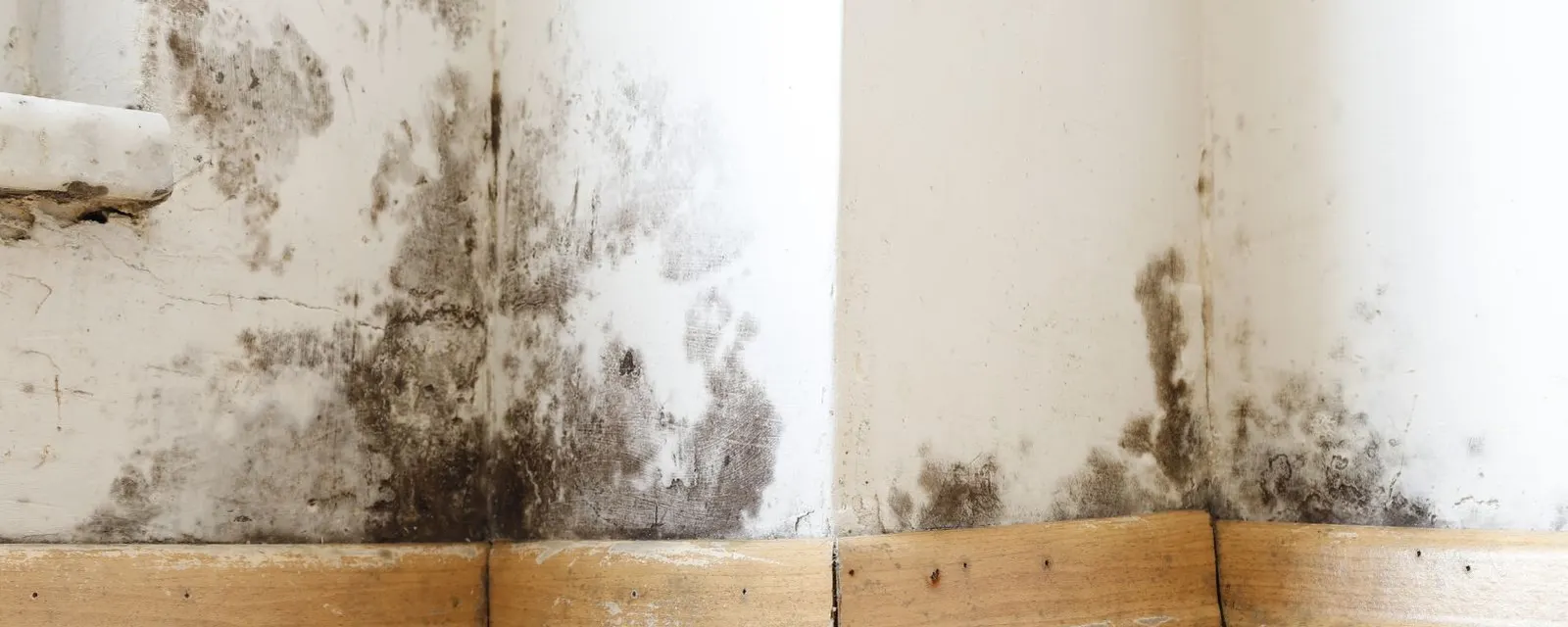
A Name, Not a Diagnosis
People use black mold for any dark growth. A lab identifies species, and you cannot do it by eye. A home with dark spots and a home with a particular species are different questions, and the next steps are the same: find moisture, remove growth, dry the area.
We make no health claims and no diagnosis. Questions about symptoms belong with your physician.
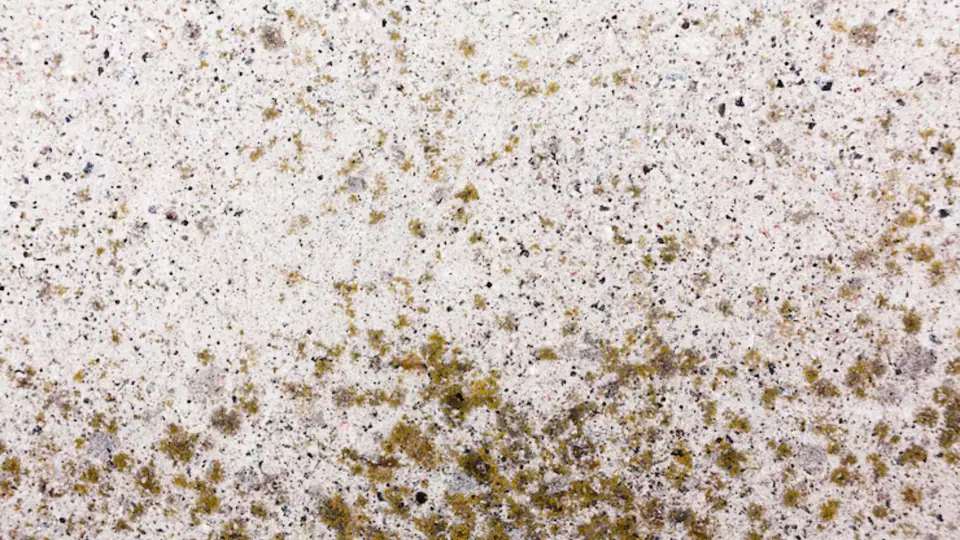
What Mold Needs
| Ingredient | In a house |
|---|---|
| Moisture | Leaks, condensation, humidity, flood water |
| A food source | Drywall paper, wood, dust, fabric |
| Time | Growth can begin within a day or two when materials stay wet |
| Moderate temperature | Normal indoor temperatures |
Remove moisture, and the rest does not matter.
Where Dark Mold Usually Appears
- Bathroom ceilings and shower corners
- Behind walls with a slow leak
- Basement walls after a wet event
- Under sinks with a dripping trap
- Window sills with condensation
What To Do
A practical order
- Find and fix the moisture source
- Keep people with health concerns away from the area, and ask a physician about symptoms
- Do not disturb a large patch or run a fan on it
- Have the area assessed if it is large or on drywall or insulation
- Remediate to the ANSI/IICRC S520 standard, then dry and verify
The steps are on our mold remediation page. If mold followed a leak, water damage repair covers the rebuild.
Testing: When It Helps
Testing can document what is present before cleanup and confirm results after. It does not replace fixing the moisture. A test without a plan is a number with no action.
Ask a tester what is measured, and use an independent tester for clearance.
Utah Licensing Check
The Utah Division of Professional Licensing pages we reviewed do not state a mold remediation license either way, and we make no claim.
Ask any company whether your state licenses mold work, and ask about its process and the standard it follows.
Source type: Utah Division of Professional Licensing website review.
Why the Name Causes So Much Worry
The phrase black mold shows up in headlines and in sales pitches, and it often sounds more alarming than it is useful. Many dark molds exist, and a dark color does not identify any particular type. We avoid health claims on this page, because we are not doctors and cannot diagnose anything.
If you have health questions about your home, talk with a physician or your local health department. The practical question for us is what to do about the moisture and the damaged material.
A Simple Way to Think About It
- Mold needs moisture, a food source such as drywall or wood, and time
- Removing moisture is the key step in any plan
- Damaged porous material is often removed rather than cleaned
- Testing can add information but does not replace fixing the source
- Ask any company to explain its process in writing
Questions to Ask Before You Hire
Ask how the company contains the work, how it handles waste and how it checks that moisture is gone. Ask whether it follows the ANSI/IICRC S520 standard as an industry reference. Ask for a written scope with the price.
A reliable company explains these things plainly and does not pressure you. If a company guarantees results it cannot control, get another opinion.
What to Do Today
Stop adding moisture. Fix leaks, run fans and dehumidifiers, and keep the area dry. Avoid disturbing growth, and keep children and pets out of the affected room until it is addressed.
Then take photos, write down when you first saw the problem and call for a scope. The sooner you find the source, the smaller the repair usually is.
Our mold remediation page explains the process. We also help in Draper and Pleasant Grove.
Mold in the News Versus Mold in Your House
Stories about a single type of mold can make it seem like every dark spot is a crisis. In practice, most household mold problems come down to the same facts. There is a moisture source, there is a material that holds it and there is a plan to fix both.
A calm approach works better than a panicked one. Gather information, protect yourself and make a plan.
What a Lab Report Can and Cannot Tell You
A lab can identify what was in a sample on the day it was taken. It cannot tell you how your body will react or whether a home is safe in general. Reports also vary by method, sample location and outdoor conditions.
If you order testing, ask what question the test is meant to answer. Testing without a plan to act on the result is rarely useful.
Talking to Your Landlord or Insurer
Report the problem in writing, with photos and dates. Ask what the next step is and when it will happen. Keep copies of emails, texts and letters.
Policies and leases differ, so read yours or ask a professional. We cannot predict what an insurer or landlord will decide.
Keeping Perspective
Plenty of homes have small mold problems that are fixed without drama. The things that matter are finding moisture, removing damaged material and checking that the area stays dry. Good information beats fear every time.
Take one step at a time, and call if you want to talk it through.
Write down three things today: where you saw it, when you first noticed it and what water event came before it.
Those notes shorten any phone call and help a professional prepare.
Cost Factors and Insurance
The price depends on area, containment, materials, drying days and rebuild scope. We explain scope and price before work starts.
Mold after a sudden, covered loss may be addressed by your policy, and mold from long-term moisture often is not. Ask your insurer.
We serve Draper and Eagle Mountain as well.
Common Questions
We make no health claims. Ask your physician about symptoms.
No. A laboratory identifies species.
Ask your physician if you have health concerns, and call a professional to assess the area.
We did not find a Lehi page that states a mold rule. Ask the city and the state.